Analytical Techniques and Challenges
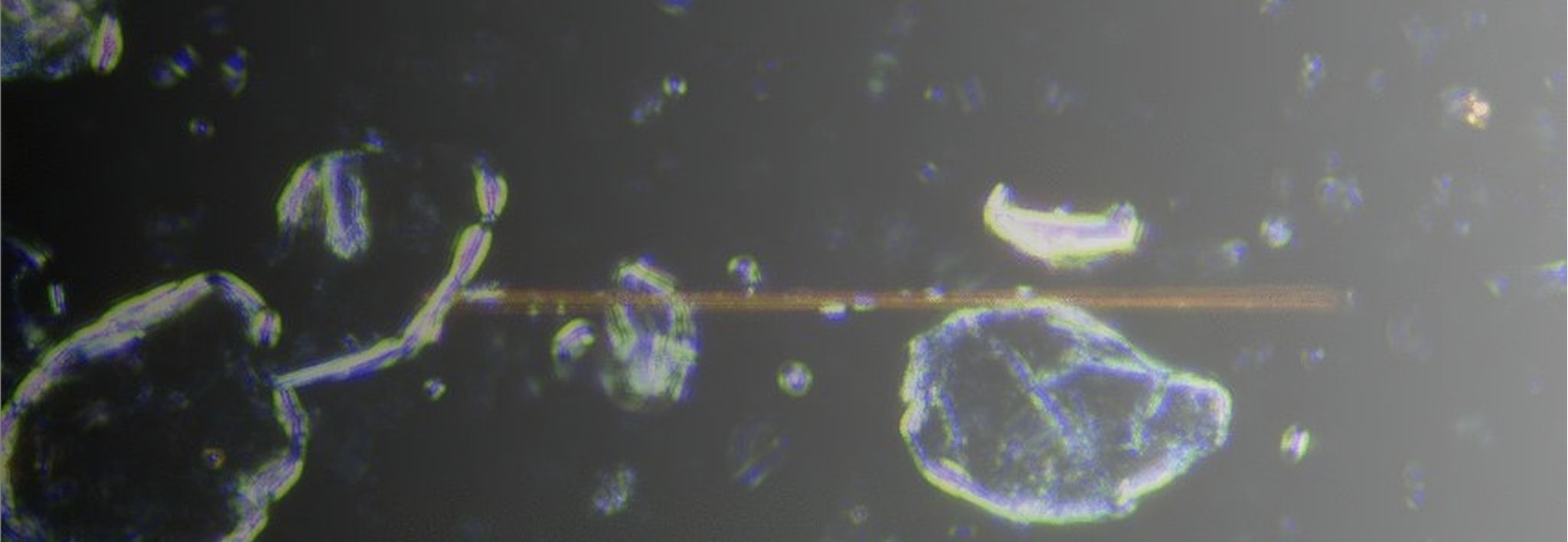
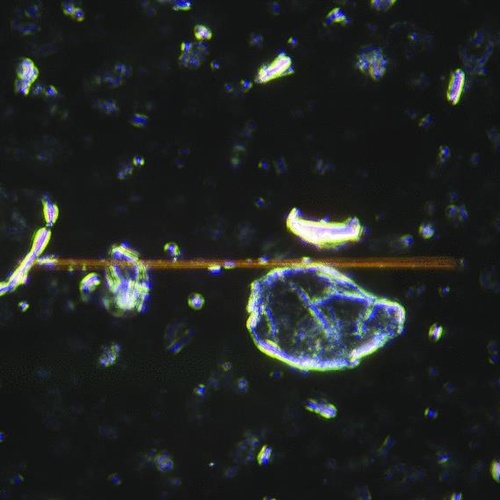
PLM identification relies on dispersion staining, extinction characteristics, sign of elongation, and refractive index matching to distinguish asbestiform fibers from talc and other interfering minerals.
Suspect particles are evaluated against defined morphological criteria high aspect ratio, thin fibrils, parallel bundles, splayed ends, and fiber curvature to confirm asbestiform habit.
Manual interpretation of these optical properties is time-intensive and can vary between analysts, making standardization and digital documentation critical for regulatory-grade results.
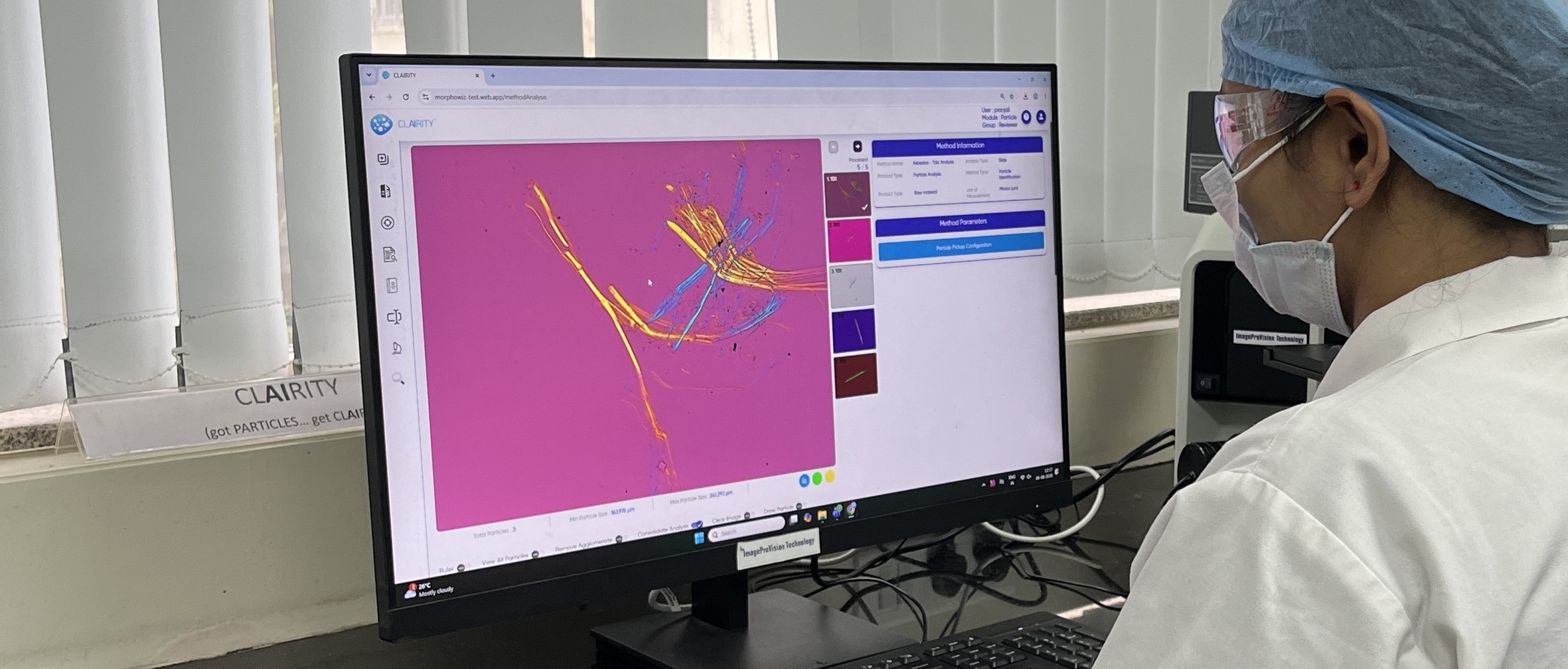
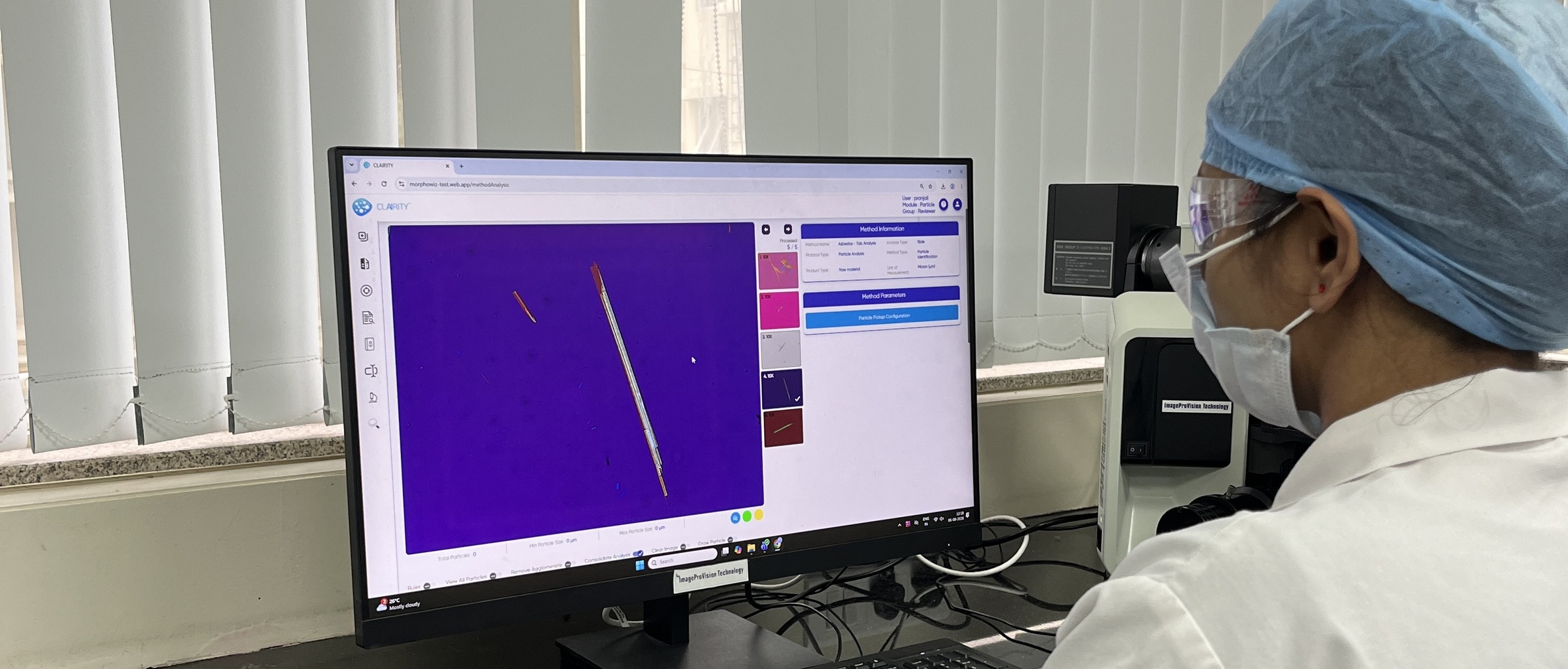
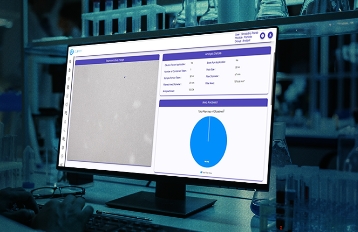
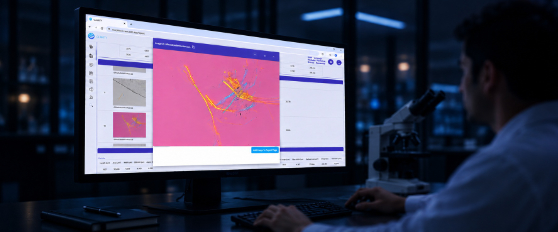
ImageProVision offers CLAIRITY™ PARTICLE, a digital PLM solution that streamlines fibre evaluation, optical characterization, and reporting to support consistent, reproducible asbestos identification in pharmaceutical talc.
The system supports a workflow aligned with pharmacopeial expectations, generating audit-ready reports with particle-level data, images, and morphological measurements.